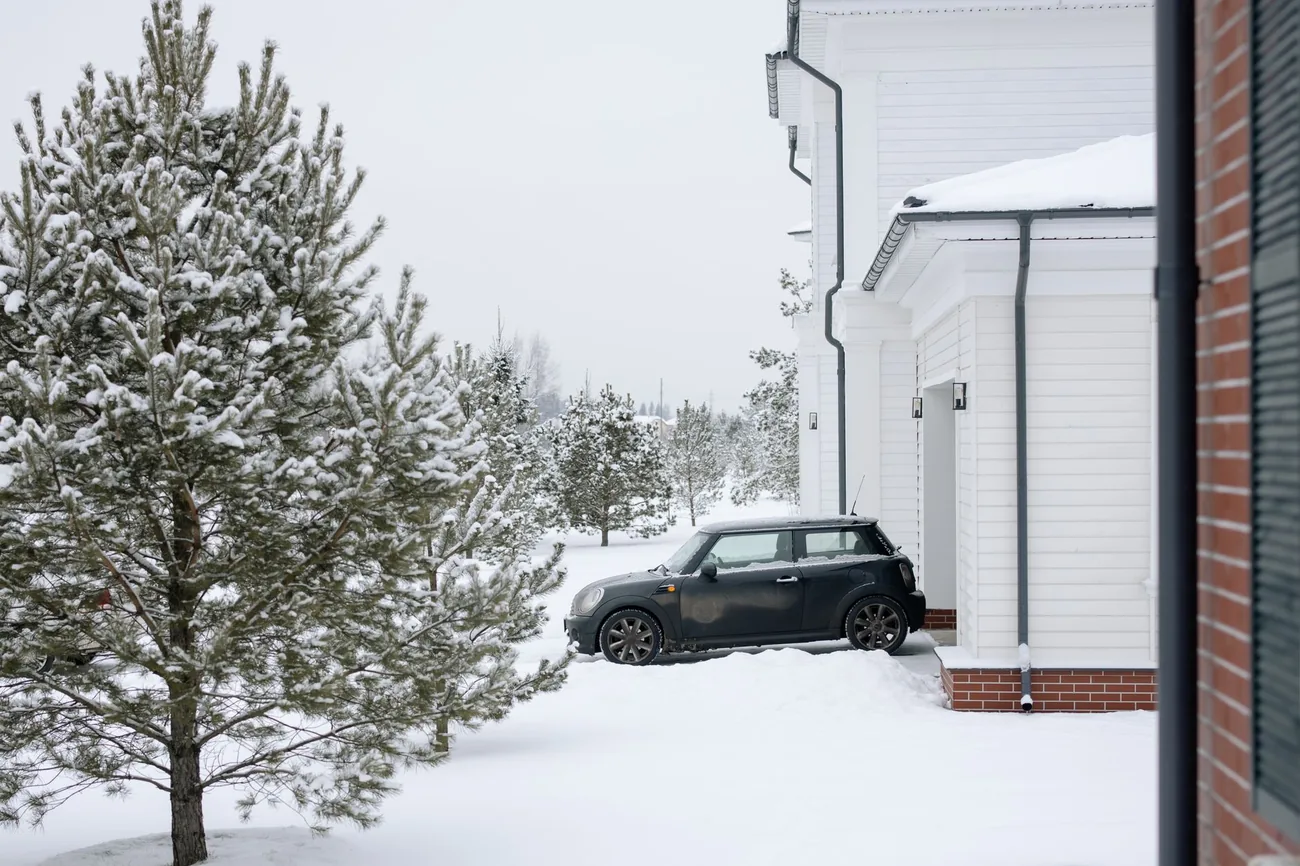
Residential driveways
Drive, walk, and the ridge the city plow throws back across the end of it. Cleared down to the surface rather than to the last inch of packed snow that turns to ice by Thursday.
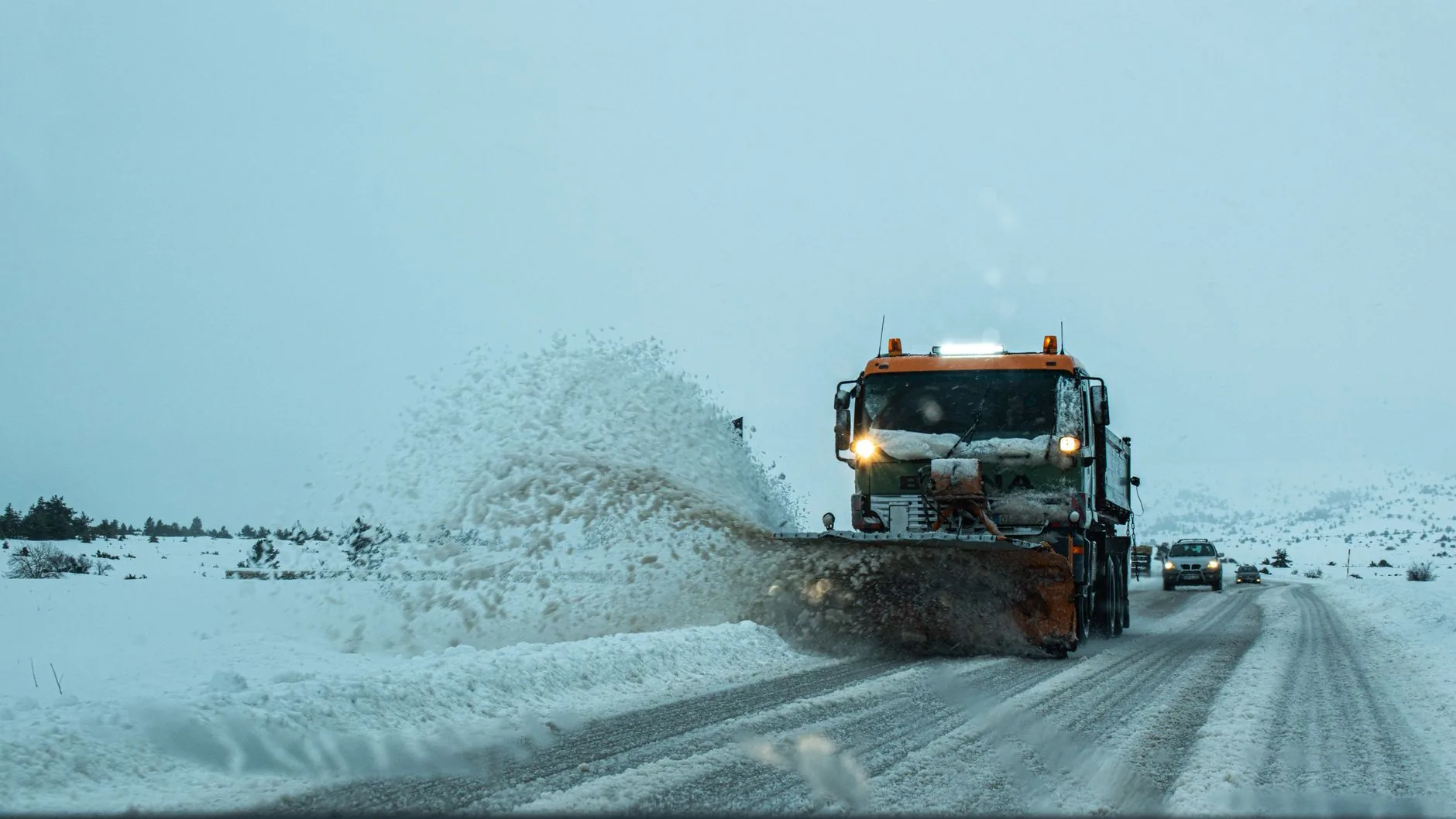



Clearing Twin Cities driveways since 2012
Seasonal contracts trigger at two inches. We run the route in the same order every storm, so you know roughly when we reach you, and the salt goes down before the refreeze instead of after somebody has already gone over.
What we clear
Six things, all of them on a trigger rather than a phone call at six in the morning.
Drive, walk, and the ridge the city plow throws back across the end of it. Cleared down to the surface rather than to the last inch of packed snow that turns to ice by Thursday.

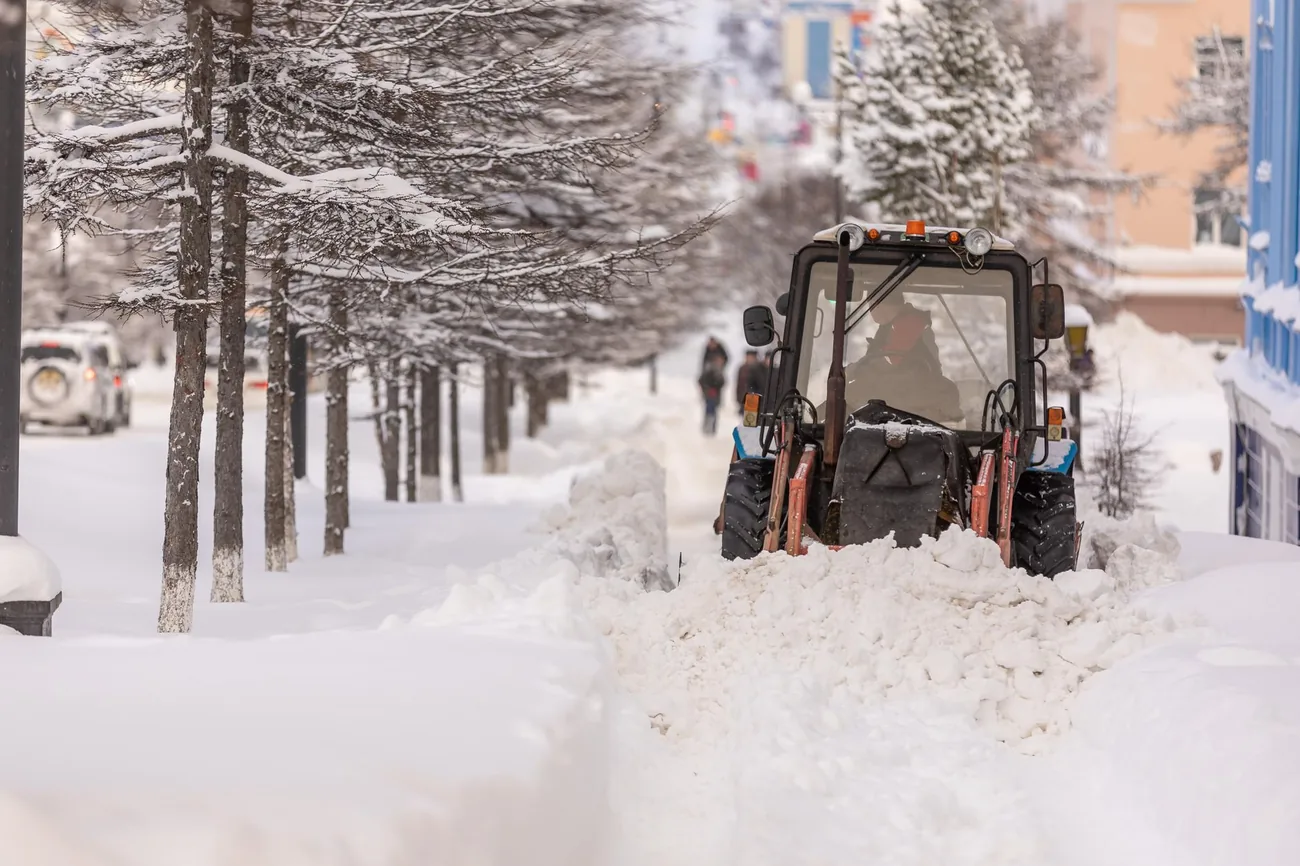
A plow cannot do a doorway. Hand crews take the walks, the steps, the entry mats and the ramp, because that is where people actually fall.
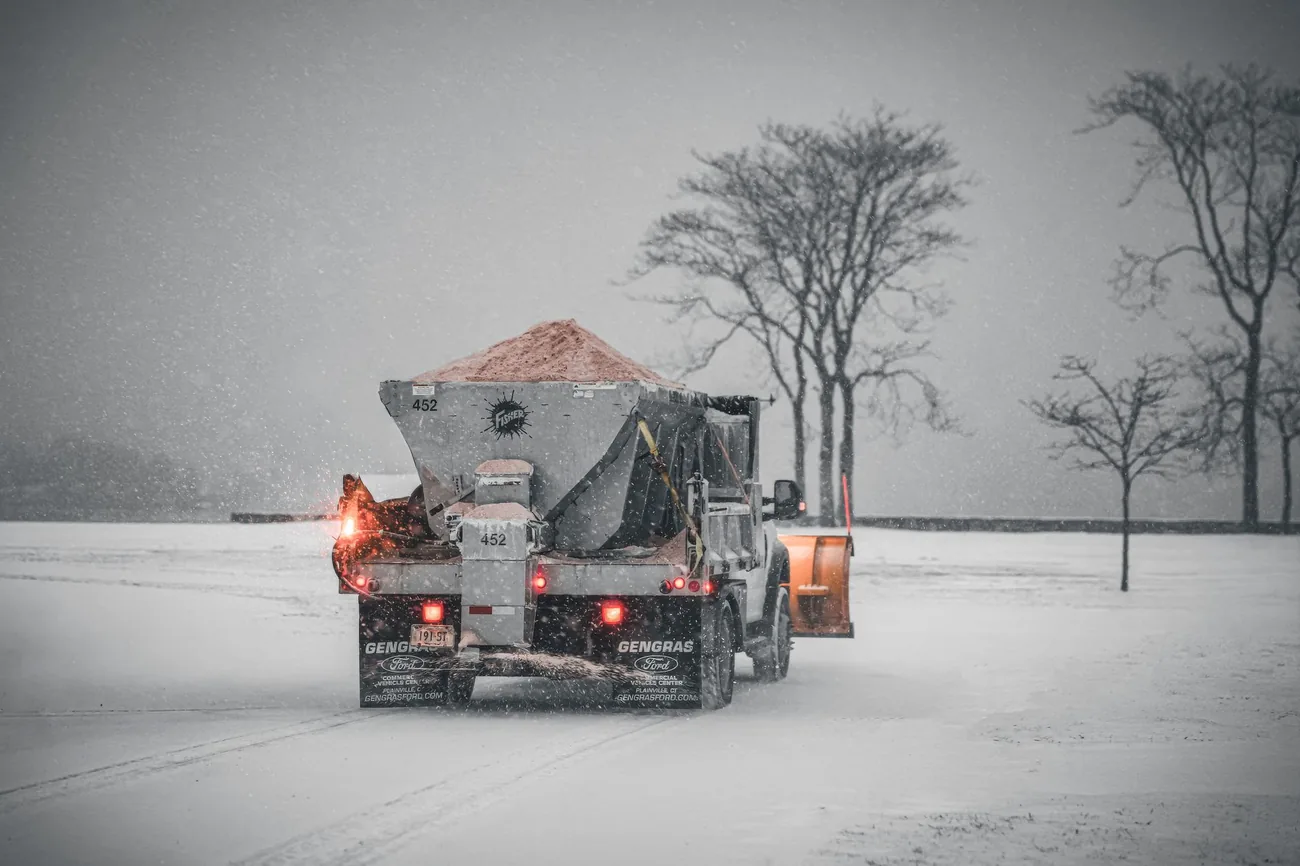
Brine before the storm where it will hold, granular after. The refreeze is what puts somebody on the ground, not the snowfall, and it is the cheapest part of the job to get right.
Lots, aisles and fire lanes on a scheduled trigger, with timestamped photos on every push. Your insurer will ask for those eventually and we would rather you already had them.
Ice dams, valleys and the back door that will not open. Roof rakes and steam, never a shovel on a shingle, because a cheap clearing job costs more than the roof it damaged.

When the piles start eating parking spaces, we stack them where they will not melt across the lot, or truck them off site entirely.
Reviews
Homeowners, a property manager, and one man who finally got a lie in.
We are on a two inch trigger and they have never once missed it, including the night we took fourteen inches in eight hours. The drive was open before I was.
Timestamped photos on every push ended a slip and fall claim for us in about ten minutes. That alone is worth what we pay for the season.
First winter in nine years I have not set an alarm to go and look at the driveway. Turns out that was the thing I was actually paying for.
How we run it
Three decisions that make the difference between a service you trust at 4am and one you do not.
You learn roughly when we reach you and you plan around it. A company that re-optimises the route every storm is a company nobody can plan around.
Timestamped and in your inbox before the truck leaves. Commercial clients use them for claims and homeowners use them to stop wondering whether we came.
A seasonal contract costs the same in a mild winter and a brutal one. We carry that risk so your budget does not have to carry it instead.
FAQ
Including the answer that tells you to stay on per push.
Two inches of accumulation on a seasonal contract, measured at our gauge rather than yours, and we start the route without anyone calling. Commercial lots can be set lower, and a one inch trigger is common where there is a lot of foot traffic.
Seasonal if you want a fixed number and no decisions at 4am. Per push if you are somewhere that only gets a handful of real storms, or if you can clear it yourself most of the time and only want us for the big ones. We will tell you honestly which one fits your address.
Residential routes finish within six hours of the snow stopping, commercial before the lot opens. During a named storm we run continuously and come back, because clearing once in the middle of twelve inches is not clearing.
Both. Salt is included on commercial contracts and is an option residentially. The refreeze after a sunny afternoon is what actually puts people on the ground, so skipping it to save money is usually a false economy.
It is part of the job, not an extra. The ridge the city plow throws back across the end of your drive gets cleared on the same visit, which is the difference between a drive you can use and one you cannot.
Contact
Address, and whether it is a driveway or a lot. Residential routes fill by the first week of November and we stop taking new addresses once a route is full, because adding one is how everybody else gets late.